Berounka River Canoe Routes — Beginner to Advanced
Complete guide to paddling the Berounka with detailed route descriptions, difficulty ratings, access points, and seasonal conditions. Learn what to bring and where to camp.
Why the Berounka Matters
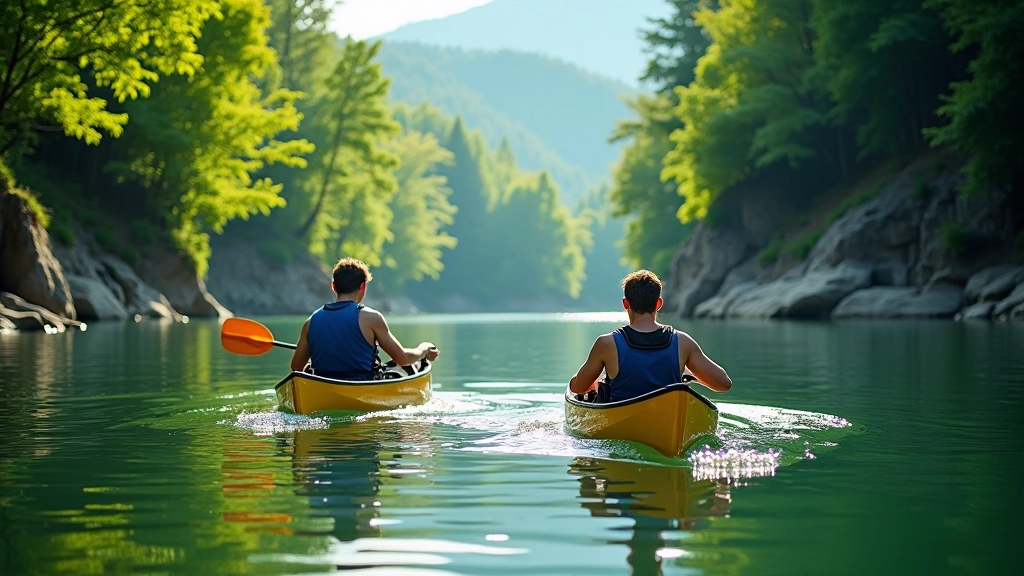
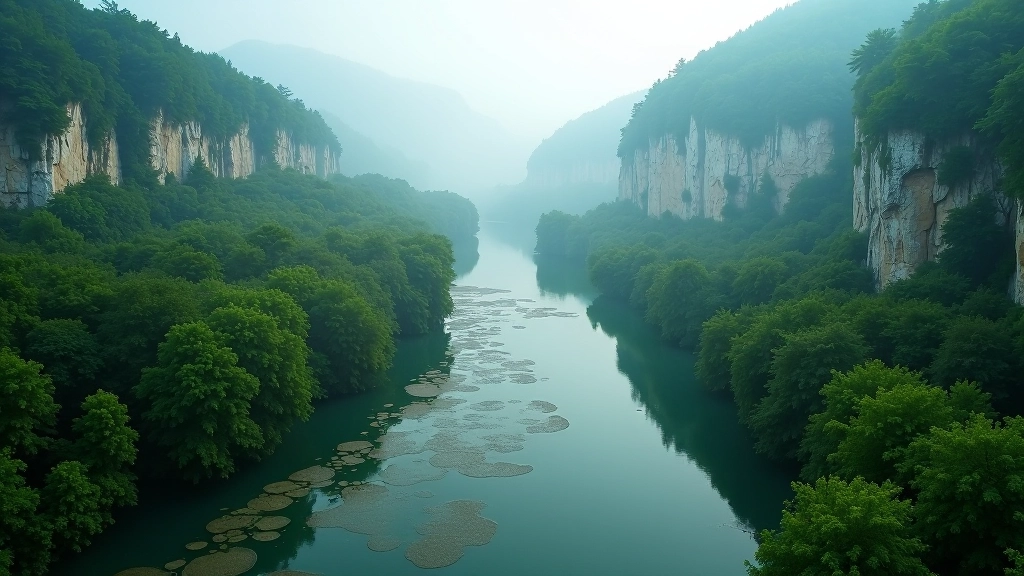
The Berounka isn’t just another river. It’s one of the most accessible paddling destinations in Central Europe, flowing through limestone gorges that’ll take your breath away. You’ll find everything here — calm flatwater sections perfect for beginners, technical rapids that’ll challenge experienced paddlers, and campsites nestled against 40-meter cliffs.
What makes it special? The river’s got character. You’re paddling through genuinely wild landscape just an hour from Prague. Wildlife’s abundant — herons, kingfishers, otters. The water’s clean. And unlike some overcrowded rivers, you can still find stretches where it feels like you’re the only ones out there.
The Main Routes at a Glance
The Berounka’s got three main paddling zones, each with its own vibe. Most people tackle them as day trips, though multi-day expeditions are absolutely doable if you’ve got the time and experience.
Upper Berounka (Plzeň to Zbečno)
Beginner32 km of gentle flatwater. Perfect starting point. Current’s mild, banks are forgiving. You’ll pass under bridges, spot riverside villages, and have time to actually enjoy the scenery instead of fighting the water. Campsites at Zbečno and Svojšín.
- Duration: 1-2 days
- Difficulty: Beginner-friendly
- Best season: May-September
Middle Berounka (Zbečno to Beroun)
Intermediate28 km with increasing technical difficulty. You’ll encounter Class I-II rapids, tighter turns, and that limestone scenery everyone talks about. Current picks up here. You need solid paddling skills and decent boat control. It’s where the river gets real.
- Duration: 1-2 days
- Difficulty: Intermediate paddlers
- Best season: April-October
Lower Berounka (Beroun to Vltava)
Advanced19 km of serious paddling. Class II-III rapids, technical sections, fast current. Water levels matter here — too low and you’re dragging; too high and it gets genuinely dangerous. This isn’t for learning on. You’ll want Class II-III experience minimum.
- Duration: 1 day
- Difficulty: Advanced paddlers
- Best season: March-June (water dependent)
Getting Started: What You Actually Need
Don’t overthink this. You don’t need expensive gear to paddle the Berounka. You need functional gear that won’t abandon you in the middle of the river.
The Non-Negotiables
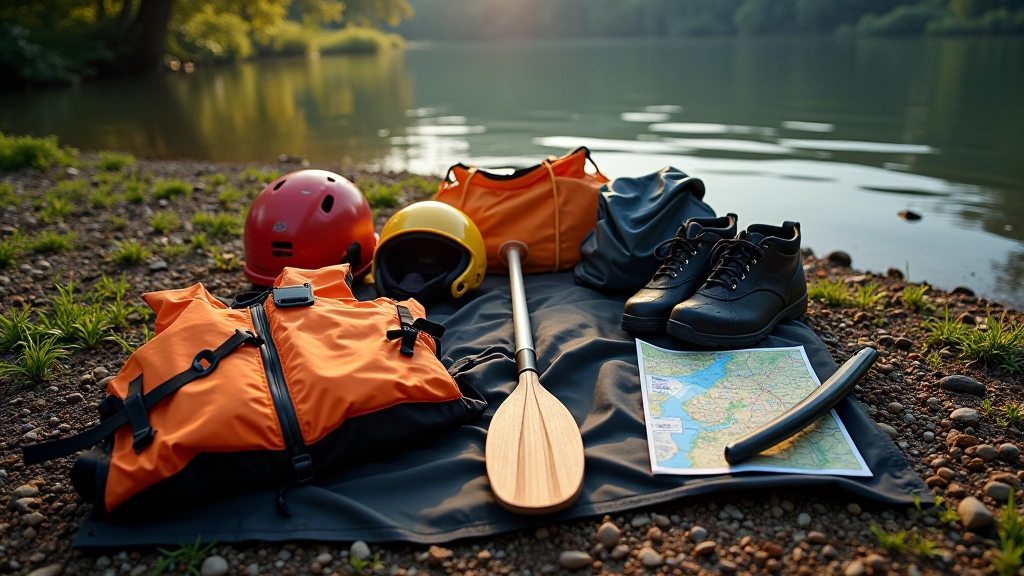
- Boat: Touring canoe (14-16 ft) or sit-on kayak. Don’t use a whitewater kayak for flatwater — they’re unstable when fully loaded. Don’t use a racing kayak for moving water — you’ll regret it.
- PFD (Life Jacket): Wear it. Every time. Even experienced paddlers drown when they don’t. Your ego won’t float.
- Paddle: Quality matters here. A cheap paddle will exhaust you by hour 3. Budget at least 50-70 EUR for something that won’t fall apart.
- Dry Bag: One solid one for essentials (map, phone, first aid, snacks). Waterproof phone case if you’re bringing it.
You’ll Also Need These
- Helmet: Required on any rapid above Class I. Get one designed for paddling, not biking.
- Throw Bag: Rope in a bag. For rescue situations. Learn how to use it before you need it.
- Map or GPS: The Berounka’s well-marked, but take a waterproof map. Trails change, landmarks disappear.
- Proper Footwear: Not flip-flops. Water shoes that won’t fall off if you swim. Your feet will thank you.
Seasonal Conditions & When to Go
Spring (March-May)
Water’s high from snowmelt. Perfect for intermediate and advanced paddlers tackling the lower sections. Beginners should stick to the upper Berounka. Current’s fast, water’s cold. Wear a wetsuit.
Summer (June-August)
Most popular season. Water levels stabilize. You can do any section comfortably. Camping’s pleasant. Days are long. It’s crowded on weekends, so try weekdays if you can. Bring sunscreen — seriously.
Fall (September-October)
Weather’s unpredictable but the river’s beautiful. Water’s cooler but still paddleable. Fewer people. Late autumn brings lower water levels — check conditions before committing to lower sections.
Winter (November-February)
Possible but not ideal. Water’s cold, days are short, access can be tricky with snow. Only go if you’ve got cold-water experience and proper insulation. Most paddlers skip this season.
Real Talk About Water Levels
Check the Berounka flow rates before you go. Too low (under 0.5 m³/s) and you’re walking your boat through shallows. Too high (over 3 m³/s) and rapids become dangerous. The sweet spot? 1-2 m³/s. You can check current flows through Czech Hydrometeorological Institute data online. Takes 2 minutes. Worth it.
Where to Sleep (Camping & Access Points)
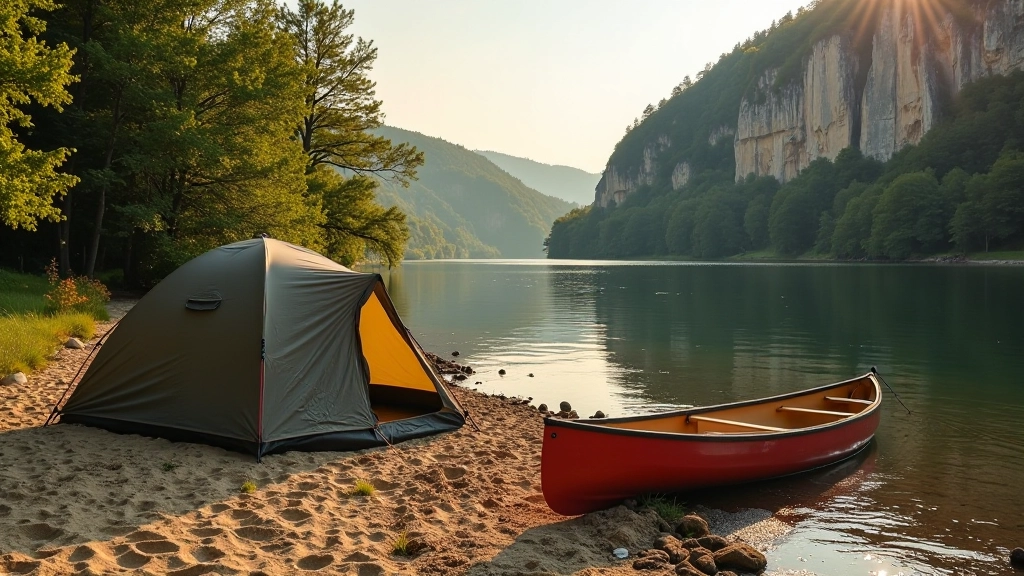
Multi-day paddles on the Berounka are genuinely enjoyable because you’ve got legitimate camping options. Not every river can say that.
Official Campsites
Svojšín: 18 km from Plzeň. Basic facilities, clean water, friendly staff. They know paddlers. Cost around 5-7 EUR per person.
Zbečno: Small, quiet. Limited facilities but that’s part of the charm. Great location for splitting longer trips.
Beroun: More developed. Better facilities, easier resupply. Good base if you’re doing the lower sections.
Wild Camping
You can camp on the banks if you’re discreet about it. Leave no trace. Pack out everything you pack in. Don’t camp on private land (and much of the river’s edge is private). Early morning departures help — you’re gone before anyone notices.
Safety Essentials (Don’t Skip This Part)
The Berounka’s not dangerous if you’re prepared. It’s dangerous if you’re not. There’s a difference.
Scout Unknown Rapids
If you haven’t paddled a section before, get out and look at it. Walk the shoreline. Watch the water. If it looks sketchy, portage (walk your boat around). Your ego’s not worth swimming.
Tell Someone Your Plan
Leave a detailed itinerary with a friend. Where you’re starting, where you’re ending, what route you’re taking, when you expect to finish. Check in when you’re done. If something goes wrong, people know where to look.
Understand Your Limits
Honest assessment matters. Don’t paddle water harder than your skills handle. The river doesn’t care about your goals or your ego. It’ll humble you fast.
Practice Self-Rescue
Know how to get back in your boat if you flip. Practice it in calm water, not in rapids. It’s easier than you think and could save your life.
Important Disclaimer
This guide is informational only. Paddling involves inherent risks including drowning, injury, and property damage. Water conditions change constantly — what’s safe one day might be dangerous the next. Check current weather, water levels, and flow rates before every trip. Wear a life jacket. Tell someone where you’re going. If you’re inexperienced, paddle with experienced partners or hire a guide. The Berounka can be beautiful and forgiving, but it doesn’t forgive mistakes. Your safety is entirely your responsibility.
The Bottom Line
The Berounka’s one of those rivers that rewards you for showing up prepared. It’s accessible enough for beginners to learn on, interesting enough for experienced paddlers to come back to, and beautiful enough that you’ll want to tell people about it.
Start on the upper sections if you’re new. Build your skills. Graduate to the middle and lower stretches when you’re ready. Take your time. The river isn’t going anywhere.

Related Articles