Czech Republic’s Best Swimming Holes — Complete Safety Guide
Discover refreshing natural swimming holes throughout Czech waterways. This guide covers water safety, seasonal conditions, accessibility, facilities nearby, and what to watch out for at each location.
Why Czech Swimming Holes Matter
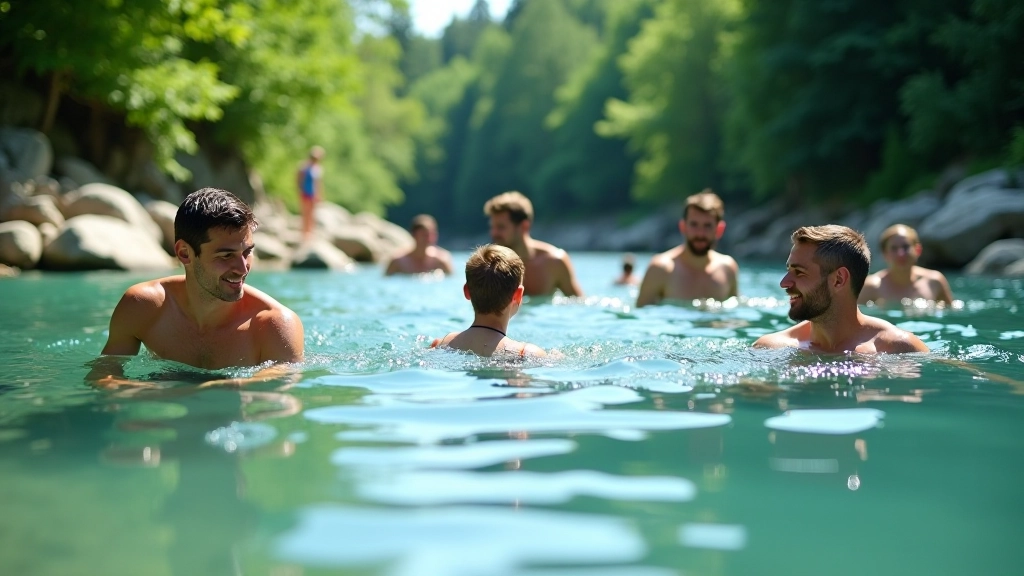
When summer heat settles in, there’s nothing quite like a dip in cool water. But not all swimming spots are created equal. Czech Republic has incredible natural swimming holes — hidden gems where you can escape crowds and feel the real thing. Clean water, dramatic rock formations, and landscapes that’ll take your breath away.
The thing is, not every hole is safe year-round. Water temperature, currents, and seasonal changes mean you’ve got to know what you’re doing. We’ve spent time at these spots, talked to locals, and gathered real safety information. This guide covers 8 of the best swimming holes across the country — what to expect, what to watch for, and how to actually get there.
Essential Safety Fundamentals
You’ll want to understand water conditions before jumping in. Most Czech swimming holes sit in river systems — that means currents can shift, especially after rain. Water temperature typically ranges from 12-16C in spring and early summer, warming to 18-22C by mid-August. Cold water doesn’t just feel uncomfortable — it affects how your body responds.
Never swim alone. Seriously. Even experienced swimmers can run into problems. Currents are deceptive. A buddy system means someone’s there if something goes wrong. Bring proper footwear too. River rocks are sharp and slippery. Neoprene shoes or water shoes aren’t just comfort — they’re protection.
Before You Go
- Check recent rainfall — affects water level and current strength
- Know the water temperature for the season
- Always bring a buddy and let someone know your location
- Wear water shoes with grip
- Start in shallow areas to assess current
- Check weather — storms can change conditions fast
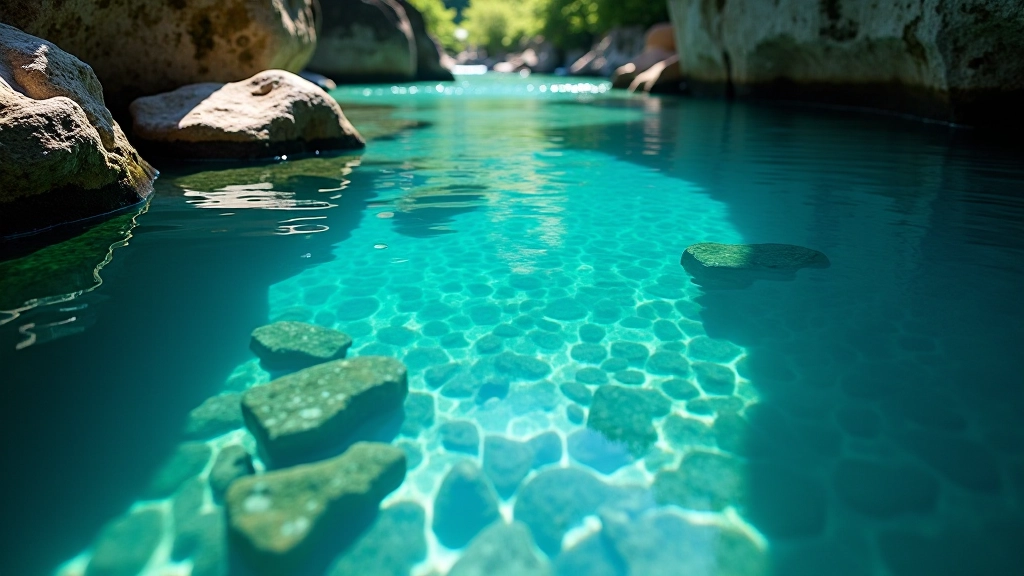
The Best Swimming Holes You Should Know
We’ve picked 8 locations across Czech Republic that offer quality water and good accessibility. Each one has its own character.
Sázava River — Háje Crossing
Central Bohemia | 45km southeast of Prague
This spot offers a natural 3-meter-deep pool formed by a bend in the Sázava. The water’s clear here, and there’s a sandy approach that makes entry easy. Summer temperature reaches about 20C by late July. Parking’s available 200 meters away. The main thing to watch: the river flows reasonably fast during heavy rain. We’d skip it for 24 hours after significant rainfall. In summer months, you’ll find local families here — it’s not a secret, but it’s genuinely safe if you’re careful.
Berounka River — Tetín Gorge
Central Bohemia | 40km west of Prague
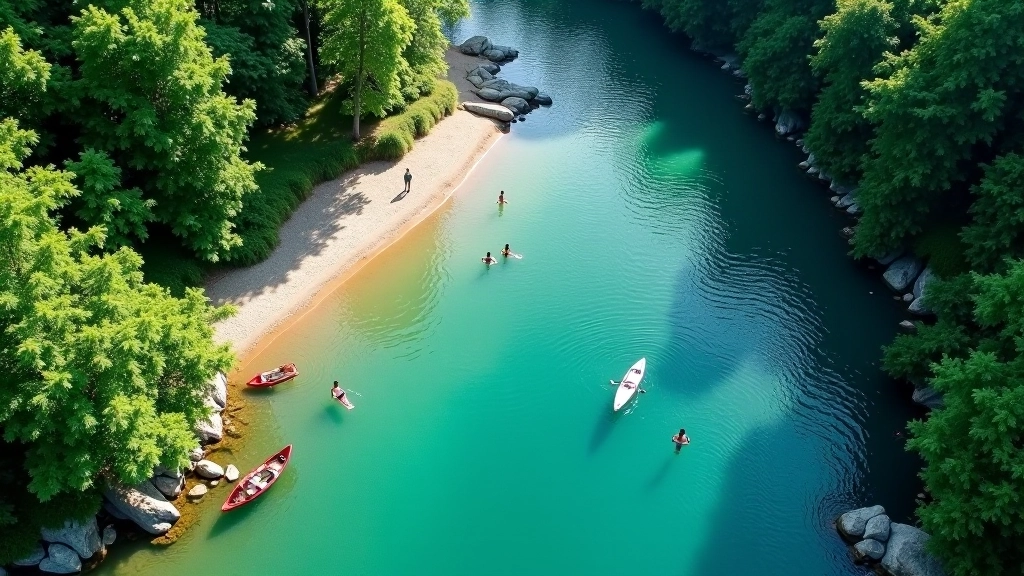
You’ll find multiple pools here depending on water level. The gorge creates a stunning backdrop — limestone cliffs rise on both sides. Water clarity’s excellent, and depth varies from 1.5 to 4 meters. This area gets warmer than others because of the gorge’s protection. Parking near the village of Tetín is straightforward. The current’s moderate but noticeable. Don’t attempt this spot during spring snowmelt (March–April) when water levels spike. There’s a small café nearby if you want something to eat after swimming.
Dyje River — Vranov Reservoir Area
South Moravia | 50km south of Brno
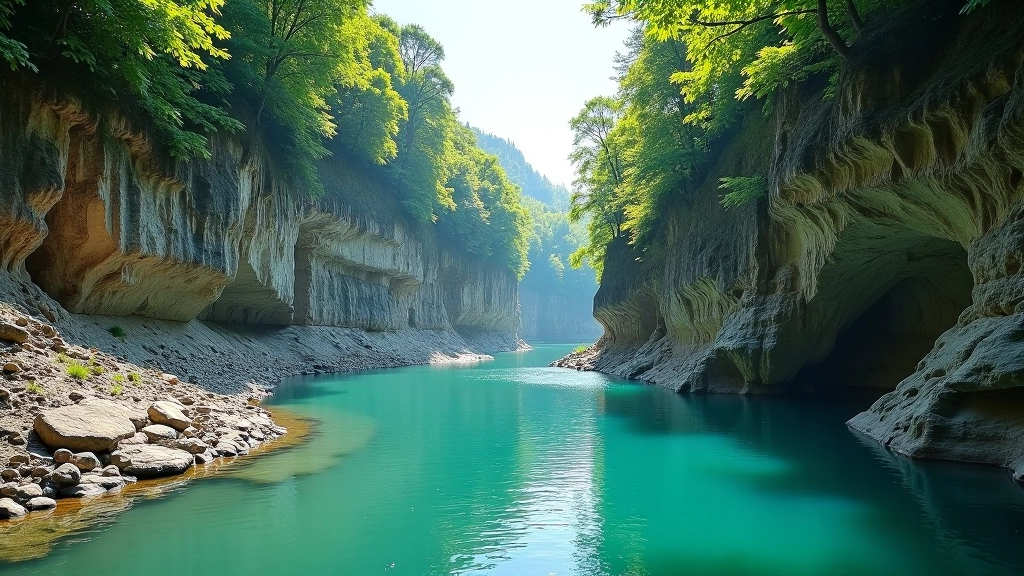
This area combines natural river sections with calmer reservoir pools. Water temperature warms faster here than northern locations — reaches 22C by August. There’s decent infrastructure with parking and basic facilities. The swimming holes here are more forgiving than narrow gorges. Currents are gentler because of the wider channel. It’s popular with families. The water’s warmer, which appeals to kids and less experienced swimmers. If you’re testing your skills in a new location, this is a solid choice.
Understanding Seasonal Changes
Czech swimming holes transform with the seasons. Water temperature’s just one part of it. Spring (April–May) means higher water levels from snowmelt. Currents run faster. Visibility can drop. Honestly, we’d recommend waiting until June for most locations. The water’s still cool — maybe 14–16C — but conditions stabilize.
Summer (June–August) is prime time. Water’s warm enough to be comfortable for extended periods. Weather’s predictable. These holes get crowded on weekends, especially in July. Early mornings give you better access and fewer people. Fall (September–October) brings cooler water (15–18C) but often clearer visibility. There’s a sweet spot in early September when water’s still warm and summer crowds have cleared out.
Winter? Don’t. Water temperatures drop below 8C. Some holes freeze partially. It’s not worth the risk unless you’re an experienced cold-water swimmer with proper gear.
Practical Tips That Actually Work
Scout Before Swimming
Spend 5–10 minutes observing the water before entering. Watch how it moves. Look for currents or unusual flow patterns. Test depth with a stick or pole first. You’re not being cautious — you’re being smart.
Cold Water Response
Water below 15C triggers involuntary gasping. Enter gradually. Don’t dive into cold water — wade in slowly. Your body needs time to adapt. If you feel disoriented or can’t catch your breath, get out immediately.
The Buddy System Works
Swimming with someone means accountability. If one of you gets into trouble, the other’s there. It’s not paranoia — it’s prevention. Never make exceptions to this rule.
Sun and Hydration
You’re more exposed at river holes than pools. Sun reflects off water. Bring sunscreen — SPF 30 minimum. Reapply after swimming. Stay hydrated. A 2-liter water bottle isn’t excessive for a 3-hour visit.
Skip It After Rain
Heavy rainfall changes everything. Water levels rise. Currents strengthen. Visibility drops. We recommend waiting 24–48 hours after significant rain before visiting. Check local conditions if you’re unsure.
Footwear Matters
River rocks are sharp and slippery. Neoprene water shoes or shoes with good grip aren’t optional. Cuts on river bottoms get infected easily. Protect your feet. You’ll be walking on unstable surfaces.
Facilities and Access Information
Most Czech swimming holes don’t have formal facilities. You won’t find changing rooms or showers at most locations. Plan accordingly. Bring a towel. Bring dry clothes. Some popular spots have parking nearby — others require short walks. Háje Crossing on the Sázava has a small parking area about 200 meters from the water. Tetín Gorge on the Berounka is accessible from the village with straightforward directions. Vranov area has better infrastructure — parking, basic facilities, even a small café.
We’d recommend starting at spots with easier access if you’re new to river swimming. Less stress about logistics means more focus on safety. As you get comfortable, you can explore more remote holes. Cell service is spotty at some locations. Download offline maps before you go. Tell someone where you’re headed and when you’ll be back. It sounds like overkill, but rescue teams appreciate knowing your location.
Important Disclaimer
This guide provides educational information about swimming holes in Czech Republic. Water conditions change constantly due to weather, season, and rainfall. We’re not liable for any injuries, accidents, or property damage that occurs at these locations. You’re responsible for assessing conditions and making safe choices. If you’re unsure about conditions, don’t swim. Local water authorities may have current restrictions or warnings — always check before visiting. Swimming in natural water carries inherent risks. This guide cannot replace proper water safety training or common sense. Swim at your own risk.
Make Smart Choices, Enjoy the Water
Czech swimming holes offer something pools never will — real water, real scenery, real adventure. But they demand respect. Know the conditions. Bring a buddy. Understand currents. Start conservative and build your confidence as you learn. These 8 locations we’ve covered represent some of the best and most accessible holes across the country. They’re worth visiting. Just visit them safely.
The locals at these spots are usually helpful if you ask questions. Don’t be shy about checking conditions with people who’ve been swimming there regularly. And if something feels off — weather’s changing, water looks unusual, currents seem stronger than expected — trust your gut. There’s no shame in skipping a swim. Come back another day when conditions are better.